Galamsey Fueling Rise in Kidney, Liver Diseases — GHOSPA Warns
Ghana’s Government and Hospital Pharmacists Association (GHOSPA) warns that illegal mining, known as galamsey, is driving a surge in kidney and liver diseases due to mercury and heavy metal contamination of water sources.

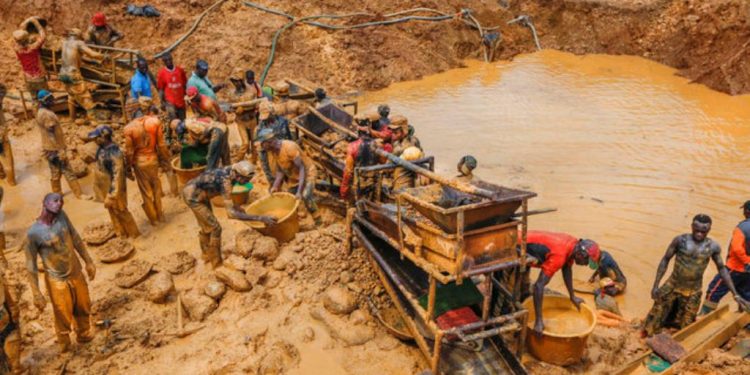
The Government and Hospital Pharmacists Association (GHOSPA) has warned that illegal mining activities, popularly known as galamsey, are causing a worrying increase in kidney and liver diseases across Ghana.
According to GHOSPA President Dr. Emmanuel Owiafe, the association has observed a sharp rise in cases of kidney and liver complications, particularly in communities affected by illegal mining. He explained that toxic chemicals such as mercury, used in gold extraction, are polluting rivers and water bodies, leading to long-term health damage.
“A number of patients are now being reported with increased issues related to their kidneys and livers, and it is becoming a menace to the entire population,” Dr. Owiafe stated.
He noted that many Ghanaians depend on these contaminated water sources for daily use, making them vulnerable to chronic health conditions. GHOSPA believes that the link between galamsey activities and organ-related diseases is no longer just a concern but a growing public health emergency.
Dr. Owiafe urged the government to move beyond mere discussions and take decisive action to stop illegal mining and restore affected environments. He stressed that protecting water bodies and ensuring environmental safety are critical to preventing further health complications.
GHOSPA is also calling for increased public education on the dangers of using polluted water and for nationwide screening programs to detect early signs of kidney and liver diseases. The group warned that if urgent steps are not taken, Ghana could face a major health crisis, with many lives and livelihoods at risk.
Illegal mining continues to threaten Ghana’s ecosystems, economy, and the health of its citizens. GHOSPA’s warning serves as a reminder that environmental destruction has direct human consequences — and tackling galamsey is essential not only for protecting natural resources but also for saving lives.